
How Santa Clarita’s Weather Affects Garage Door Performance
How Santa Clarita’s Weather Affects Garage Door Performance Santa Clarita is known for its hot, dry summers, occasional windstorms, and cool nights. While this weather is perfect for outdoor activities, it can quietly harm your garage door over time. Heat can weaken springs, dust can clog rollers, and changing temperatures can cause parts to expand and contract, leading to wear and tear. Let’s take a closer look at how Santa Clarita’s weather affects your garage door and what you can do to keep it working smoothly. Temperature Effects on Springs and Cables Heat and cold impact garage door metal parts. Here’s how: Hot summer days cause the springs to expand and weaken. This reduces tension and affects balance. Cooler nights contract metal, which can make the cables brittle or misaligned. Temperature changes can cause small alignment shifts. This affects how smoothly the door opens and closes. Extreme UV exposure can dry out rubber seals and plastic components. It is common for Santa Clarita homeowners to experience early spring fatigue. You may notice your garage door is heavier or louder during the summer if the springs lose tension. Tip: Replace torsion springs every 7–10 years, especially in high-heat zones like SCV. Dust and Debris Impacting Track and Roller Function Santa Clarita has dry, dusty air, especially during windy periods. That dust doesn’t just settle on your car; it gets inside your garage door tracks, too. Here’s what happens: Dust buildup causes the rollers to stick or jump off the track. Sand and grit can grind metal rollers, wearing them down quickly. Leaves and yard debris can wedge into tracks and sensors. Cobwebs and pests may block safety sensors or gum up hardware. Clogged tracks force the opener motor to work harder. Over time, this reduces its lifespan and creates jerky door movement. Prevent it: Wipe down the tracks monthly using a clean, dry cloth. Don’t use grease or oil on the tracks — it attracts more dust. Best Lubricants for Santa Clarita’s Dry Climate Lubrication is the key to quiet, smooth garage door movement, especially when the air is dry. Not all lubricants are equal. For Santa Clarita: Use silicone-based spray with lithium grease. Both resist heat and don’t collect dust. Avoid WD-40. It’s a cleaner, not a lubricant. Lubricate the rollers, hinges, and springs every 3–4 months. Never over-lubricate. It can drip, gum up the works, or attract insects. Pro Tip: Always wipe off old grease before reapplying. Dust and grime can harden, acting like sandpaper on your components. Seasonal Maintenance Checklist for Homeowners Stay ahead of garage door problems with this Santa Clarita-specific maintenance routine: Spring: Inspect the torsion springs and cables for rust or sagging. Clean out the dust on the track from the winter winds. Lubricate moving parts before the summer heat hits. Summer: Test safety sensors during high heat. Check for dried-out weather stripping or sealant. Clean photo-eye lenses weekly (dust builds up fast). Fall: Look for worn rollers or cracked hinges. Test the balance: Lift the door halfway and see if it stays closed. Inspect the opener for overheating signs. Winter: Watch for sticking parts in cold mornings. Check battery backup if power outages are common. Keep tracks free of frost or moisture. Doing just 15 minutes of monthly maintenance can save hundreds on emergency repairs. When to Call for Weather-Related Repairs Sometimes, just a few dustings or DIY doesn’t cut it. Here’s when to bring in a professional: Your door groans, pops, or moves unevenly. The opener motor hums, but the door doesn’t move. One side of the door rises faster than the other. Safety sensors blink or stop working randomly. Weather stripping or insulation that is cracked or peeling. Local experts in Santa Clarita understand the climate challenges. Many provide same-day inspections. They also have the right tools and oils for this area. Choose a technician who: Is licensed and insured Offers seasonal maintenance plans Understanding SCV climate wear Provides warranties on parts and labor Weather Doesn’t Wait — Don’t Delay Maintenance Your garage door is the largest moving system in your home. Santa Clarita’s weather changes quickly, and dust is common. Maintenance is very significant. Want a door that opens smoothly all year long? Clean, lubricate, and check your system often. If you hear anything strange, call a professional.
How Long Does It Take to Install a Garage Door Opener?
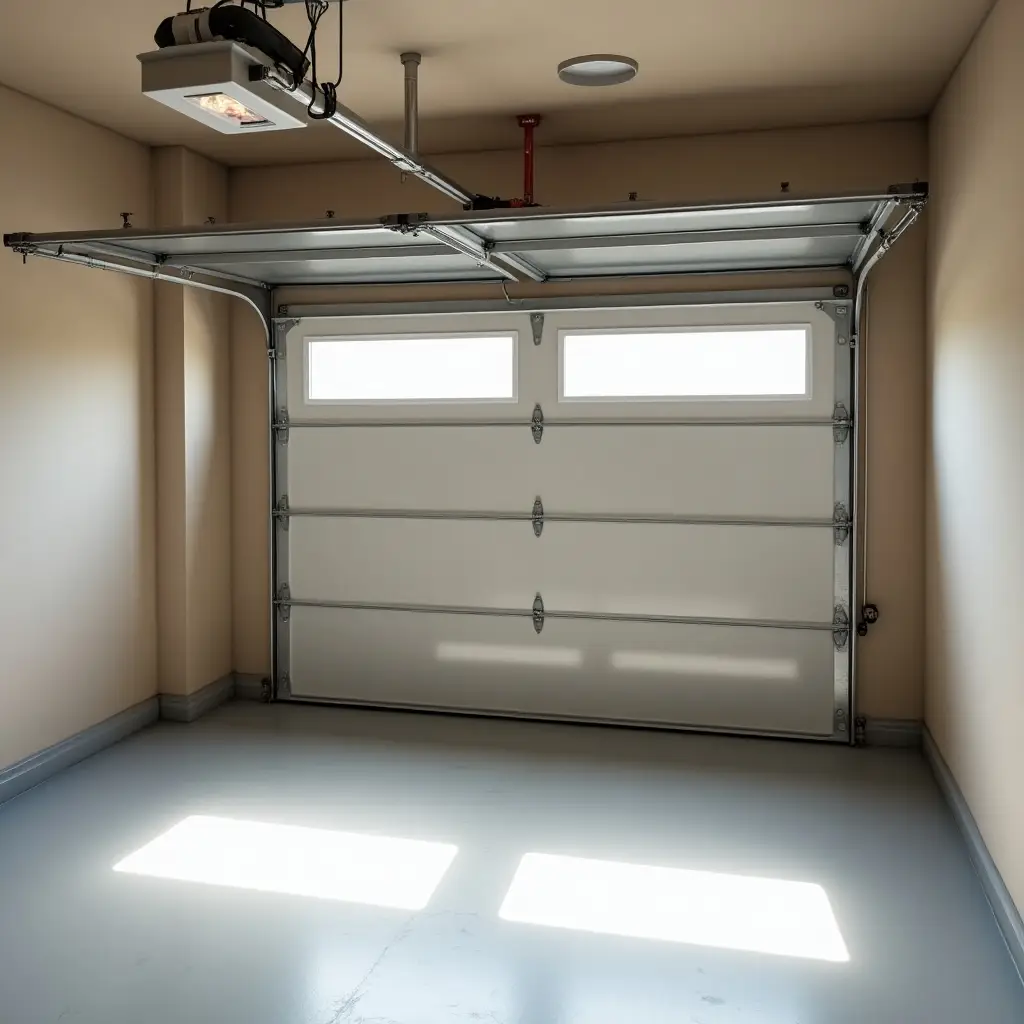
How Long Does It Take to Install a Garage Door Opener? To install a garage door opener, you may have to spend a lot of time or money. It depends on many factors when it comes to Santa Clarita’s timeline. Let’s break it down clearly. Average Installation Time for Garage Door Openers It usually takes two to four hours for a professional to install a garage door opener. Add 30-60 minutes if it’s a new system. In most cases, replacing brackets and rails is easier because they are already installed. You can expect a DIY installation to take four to six hours if you are handy. It may take longer for first-timers. It is helpful to read the manual and watch tutorial videos. Factors That Affect the Time: DIY vs. Professional Professional Installation Experience: Pros do it faster and safer. Tools: Technicians carry everything they need. Inspection: They check wiring, balance, and track alignment. Time Estimate: 2–3 hours on average. DIY Installation Skill Level: You’ll need basic electrical and mechanical skills. Tools Required: Drill, ladder, socket wrench, screwdrivers. Challenges: Mounting the rail, adjusting force limits, and programming remotes. Time Estimate: 4–6 hours, maybe longer. Common Delays During Garage Door Opener Installation 1. Old Parts or Rusted Hardware Old brackets or damaged wiring slow things down. Professionals may have to replace corroded parts. 2. Wrong Opener Type Not all openers fit every door. Chain-driven openers might not suit a low-clearance ceiling. 3. Electrical Outlet Not Present If there’s no outlet in the ceiling, an electrician may be required. 4. Wi-Fi Setup Issues Many smart openers require network setup. Weak Wi-Fi can cause delays. 5. Alignment Problems If the track is off or the door is unbalanced, it must be fixed first. That adds time. Santa Clarita Weather Considerations for Installation Hot summers and dry air can cause damage to garage door parts. Here’s how weather plays a role: Heat: Causes metal to expand slightly, which may cause tight fittings to loosen. Dust: Can clog tracks and gears. Cleaning is often part of the prep. Humidity: Usually low in Santa Clarita, but when present, it may affect lubrication. Installers typically avoid working during peak heat hours. Morning installations are common during summer. Conclusion Installing a garage door opener in Santa Clarita is manageable, especially with the right help. Whether you go DIY or hire a technician, knowing what to expect makes the process smoother and safer. For trusted help in Santa Clarita, visit Angi or HomeAdvisor. You can also check Google reviews for the best local companies. FAQs Can I install a garage door opener myself? Yes, if you’re experienced with tools and instructions. Beginners might struggle, though. Do I need special tools? A power drill, wrench set, and ladder are essential. Smart openers may need a smartphone for setup. What’s the most time-consuming part? Mounting the rail and adjusting the settings usually takes the longest. How do I know if it’s installed correctly? The door should open smoothly, reverse on obstruction, and stop where expected. Test the safety sensors too. Should I hire a pro in Santa Clarita? If you want a quick, worry-free setup with a warranty, yes. Local pros know what to check. Yes, if you’re experienced with tools and instructions. Beginners might struggle, though. A power drill, wrench set, and ladder are essential. Smart openers may need a smartphone for setup. Mounting the rail and adjusting the settings usually takes the longest. The door should open smoothly, reverse on obstruction, and stop where expected. Test the safety sensors too. If you want a quick, worry-free setup with a warranty, yes. Local pros know what to check.
